
Good Eats Roast Turkey Recipe

Good Eats Roast Turkey Recipe: The Brined, Golden Bird That Changed My Thanksgiving Forever
A juicy, deeply seasoned roast turkey built on a simple overnight brine - this is the method that finally ended my years of dry, disappointing holiday birds.
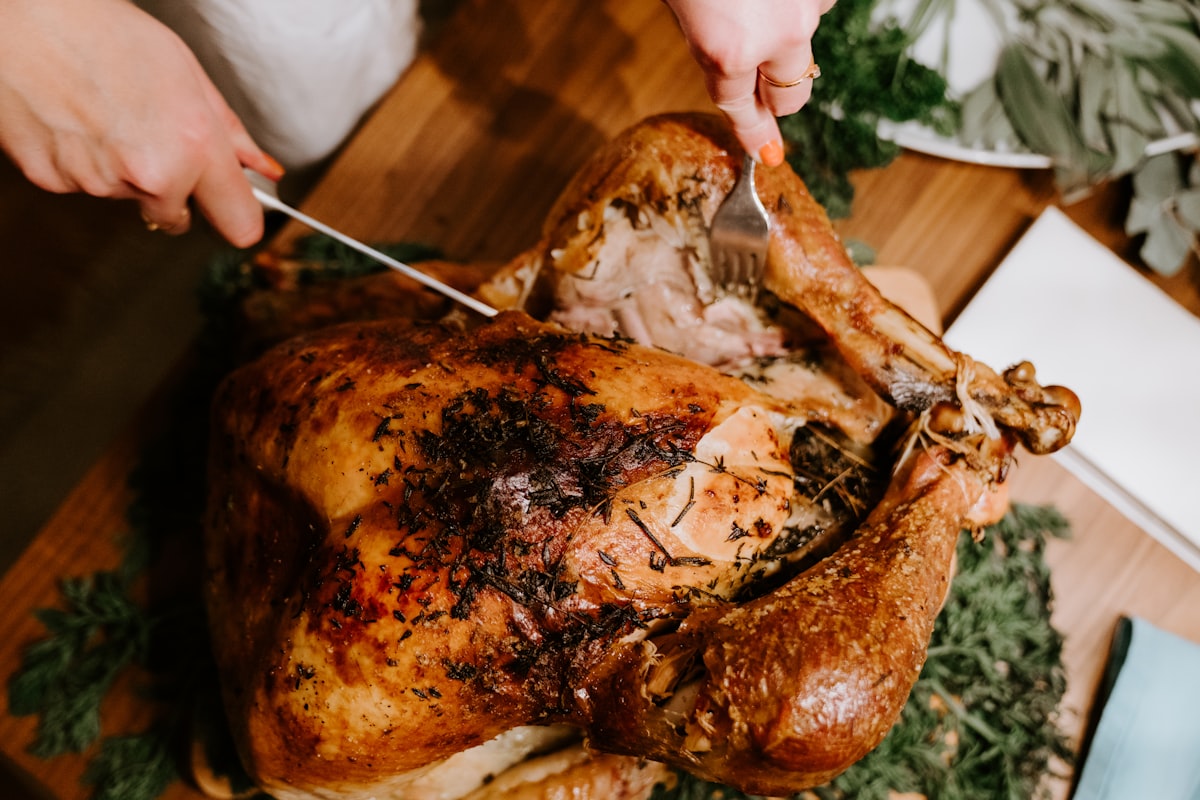
For years, my Thanksgiving turkey was a source of quiet dread rather than pride. I'd baste it every 20 minutes like clockwork, pull it out looking gorgeous and golden, slice into it in front of the whole family, and... dry, stringy breast meat every single time. It wasn't until a friend walked me through the brining method that everything changed. The first time I tried it, I remember standing at the counter almost in disbelief at how juicy the breast meat was - no basting marathon required, no gravy required to "save" a dry bird.
This recipe leans on that classic overnight wet brine technique - the one that turned turkey from my most stressful holiday task into the dish I now genuinely look forward to making. It's a method built on science as much as tradition: salt water breaks down muscle proteins and helps the meat retain moisture during the long roast, so even the notoriously dry turkey breast comes out tender and juicy.
This version is completely halal-friendly - no wine, no alcohol-based bastes, no pork products anywhere in sight. Just salt, aromatics, and a properly roasted bird.
Why You'll Love This Recipe
- No more dry turkey breast. The overnight brine is the single biggest game-changer for turkey texture.
- Minimal hands-on time. Once it's brined and seasoned, the oven does almost all the work.
- A stunning, golden presentation that looks like it came from a professional kitchen.
- Halal-friendly and alcohol-free, built entirely on broth, herbs, and aromatics.
- Leftover-friendly - this method produces meat moist enough to stay delicious for days afterward.
- Foolproof for beginners, as long as you follow the brine time and temperature guide closely.
Ingredients - And What I've Learned About Each One
For the brine:
- 1 gallon (16 cups) cold water
- 1 cup kosher salt
- ½ cup brown sugar
- 4 bay leaves
- 1 tbsp black peppercorns
- 1 tbsp allspice berries
- 1 orange, quartered
- 4 garlic cloves, smashed
- Ice, as needed
For the turkey:
- 1 whole turkey (12-14 lbs), fresh or fully thawed
- 4 tbsp unsalted butter, softened
- 2 tbsp olive oil
- 1 onion, quartered
- 1 apple, quartered
- 4 sprigs fresh rosemary
- 6 sprigs fresh thyme
- 2 celery stalks, roughly chopped
- Salt and black pepper, to taste
A few honest notes on ingredients, from years of Thanksgiving trial and error:
- Kosher salt, not table salt. Table salt is much denser and saltier by volume — using it in place of kosher salt in a brine can easily over-salt the bird. If it's all you have, cut the amount roughly in half.
- A fresh turkey vs. frozen: If using a frozen turkey, make sure it's fully thawed before brining - a partially frozen bird won't brine evenly, and you'll end up with salty edges and bland centers.
- The orange and apple aren't just for flavor - their natural sugars and acidity help balance the saltiness of the brine and add a subtle sweetness that plays beautifully with the roasted skin.
- Softened butter under the skin (not just on top) is the real trick to crisp, golden, well-seasoned skin. I learned this the hard way after years of just brushing butter on top and wondering why the skin never crisped evenly.
- Fresh herbs over dried here - the aromatics stuffed into the cavity infuse the meat as it roasts, and fresh herbs simply carry more fragrance than dried ones in this context.

Step-by-Step Instructions (With the Secrets That Actually Matter)
1. Make the Brine
Combine the water, kosher salt, brown sugar, bay leaves, peppercorns, and allspice in a large pot. Bring to a simmer, stirring until the salt and sugar dissolve completely, then remove from heat. Add the orange, garlic, and enough ice to cool the brine down completely before use.
My secret here: Never submerge your turkey in warm brine - it needs to be fully cooled first, or you risk pushing the bird into the food safety "danger zone" for bacterial growth.
2. Brine the Turkey Overnight
Place the turkey in a brining bag, a very large stockpot, or a clean cooler, and pour the cooled brine over it, making sure it's fully submerged. Refrigerate (or keep packed in ice if using a cooler) for 12–16 hours. Do not brine longer than 24 hours, or the texture can turn overly soft and spongy.
3. Rinse and Dry Thoroughly
Remove the turkey from the brine and rinse it well under cold water to remove excess surface salt. Pat it completely dry, inside and out, with paper towels - this step matters more than people expect.
This is the step most people rush: a wet turkey skin will steam rather than crisp in the oven. Take the extra few minutes to dry it thoroughly, even underneath the skin where you can reach.
4. Season Under and Over the Skin
Gently loosen the skin over the breast with your fingers, being careful not to tear it, and rub the softened butter directly onto the meat underneath. Rub the outside of the skin with olive oil, salt, and pepper.
5. Stuff the Cavity with Aromatics
Fill the turkey's cavity with the quartered onion, apple, celery, rosemary, and thyme. This isn't for eating later - it's there purely to perfume the meat with flavor as it roasts and to help keep the interior moist.
6. Roast Low, Then Finish Hot
Place the turkey breast-side up on a roasting rack inside a large roasting pan. Roast at 325°F (165°C), calculating roughly 13 minutes per pound, until the internal temperature at the thickest part of the thigh reaches 165°F (74°C) on a meat thermometer. If you'd like extra-golden skin, increase the oven to 425°F (220°C) for the final 15-20 minutes of roasting.
A trick worth remembering: Tent the breast loosely with foil for the first two-thirds of roasting, removing it toward the end so the breast doesn't overcook while the thighs catch up - dark meat needs a slightly higher final temperature than white meat to be fully tender.
7. Rest Before Carving
Once out of the oven, let the turkey rest, loosely tented with foil, for at least 30 minutes before carving. This is non-negotiable - the juices need time to redistribute back through the meat.
Chef's Tips for a Foolproof Roast Turkey
- Always cook to temperature, not to time. Every oven and every bird is slightly different; a meat thermometer is the only truly reliable way to know it's done.
- Don't skip drying the skin. This one habit alone is responsible for more crispy-skin success stories than any fancy basting technique.
- Use a roasting rack. Elevating the turkey off the bottom of the pan allows hot air to circulate underneath, cooking the bird evenly on all sides.
- Baste sparingly, if at all. Opening the oven repeatedly drops the internal temperature and actually extends your cooking time - the brine has already done most of the moisture work for you.
- Save the pan drippings. They're the base for the best homemade gravy you'll ever make, packed with roasted turkey flavor.
Common Mistakes to Avoid
- Brining a partially frozen turkey. This leads to uneven seasoning - always confirm the bird is fully thawed first.
- Using warm brine. Submerging the turkey in warm liquid pushes it into unsafe temperature territory; always cool the brine completely first.
- Skipping the drying step. Wet skin steams instead of crisping in the oven, no matter how high your oven temperature is.
- Relying on the pop-up timer. These built-in indicators are notoriously unreliable; always confirm doneness with a proper meat thermometer.
- Carving immediately after roasting. Skipping the rest period causes the juices to spill out onto the cutting board instead of staying in the meat.
- Over-brining. Longer isn't always better - beyond 24 hours, the texture can turn unpleasantly soft.
- Basting too frequently. Constantly opening the oven door slows down cooking and doesn't meaningfully improve the skin.
Serving Suggestions and Presentation Ideas
- Serve with classic homemade gravy made from the pan drippings for the most flavorful finish.
- Pair with garlic mashed potatoes, roasted seasonal vegetables, or a cranberry sauce for a traditional holiday spread.
- A side of buttery dinner rolls rounds out the table beautifully.
- For presentation, garnish the platter with fresh rosemary sprigs, orange slices, and pomegranate seeds for a festive, colorful centerpiece.
- Leftover turkey makes fantastic sandwiches, soups, or turkey pot pie the next day.
Ingredient Substitutions
Meal Prep Tips
- Brine the night before. This is genuinely the best time-saving step - it means all the seasoning work is done well ahead of the big roasting day.
- Prep the aromatics in advance. Chop the onion, apple, celery, and herbs the day before and store them in the fridge, ready to stuff into the cavity the next morning.
- Make the gravy ahead. If you're short on oven space on the day, you can make a base gravy using turkey stock and reserved drippings from a practice roast, then finish it with the actual pan drippings on the day.
- Storing leftovers: Store carved turkey in an airtight container in the fridge for up to 4 days.
- Freezing: Sliced turkey freezes well for up to 3 months; freeze in meal-sized portions with a little broth to prevent it from drying out when reheated.
Recipe Notes
- This recipe is built around the classic wet brine technique, a method long championed in American cooking shows and cookbooks for solving the age-old problem of dry turkey breast.
- If you're short on refrigerator space, a large cooler packed with ice works just as well as a fridge for brining - just make sure to monitor and top up the ice.
- For detailed guidance on safe turkey handling, thawing times, and internal cooking temperatures, the USDA's turkey basics guide is the most reliable resource available.
- For more on the science behind brining and why it works, Serious Eats' guide to brining turkey offers a genuinely helpful breakdown for curious cooks.
Frequently Asked Questions (FAQ)
Is this roast turkey recipe halal? Yes. It contains no pork, alcohol, or non-halal ingredients - just salt, sugar, herbs, citrus, and butter.
How long should I brine a turkey? Between 12 and 16 hours is ideal for a 12-14 lb turkey. Avoid going beyond 24 hours, as the texture can become overly soft.
Do I need a special container to brine a turkey? No - a large food-safe bucket, a brining bag, or even a clean cooler packed with ice all work well, as long as the turkey is fully submerged.
Can I dry-brine instead of wet-brine? Yes, dry brining (rubbing the bird generously with salt and letting it rest uncovered in the fridge overnight) is a great alternative if you're short on fridge space, though the texture result is slightly different.
How do I know when the turkey is fully cooked? The internal temperature at the thickest part of the thigh should read 165°F (74°C) on a meat thermometer - this is the only truly reliable way to check doneness.
Why is my turkey skin not crispy? This almost always comes down to not drying the skin thoroughly enough before roasting, or roasting at too low a temperature throughout.
Can I stuff the turkey with actual bread stuffing instead of aromatics? Yes, though it will increase the overall roasting time, and you'll need to check that both the stuffing and the turkey reach a safe internal temperature.
Nutrition Table (Per Serving, approx. - serves 10, based on roasted turkey meat only)
| Nutrient | Amount |
|---|---|
| Calories | 280 kcal |
| Protein | 40 g |
| Carbohydrates | 1 g |
| Fiber | 0 g |
| Sugars | 0 g |
| Fat | 12 g |
| Saturated Fat | 4 g |
| Sodium | 540 mg |
| Iron | 8% DV |
| Potassium | 12% DV |
Values are estimates and will vary based on turkey size, brine absorption, and specific cuts served.
Recipe Card
Good Eats Roast Turkey
- Prep Time: 30 minutes (plus 12-16 hours brining)
- Cook Time: 3 hours
- Total Time: Approx. 16 hours (including brine time)
- Servings: 10-12
- Category: Main Course
- Cuisine: American
- Diet: Halal, Gluten-free
Ingredients:
- 1 gallon cold water
- 1 cup kosher salt
- ½ cup brown sugar
- 4 bay leaves
- 1 tbsp black peppercorns
- 1 tbsp allspice berries
- 1 orange, quartered
- 4 garlic cloves, smashed
- Ice, as needed
- 1 whole turkey (12-14 lbs)
- 4 tbsp softened butter
- 2 tbsp olive oil
- 1 onion, quartered
- 1 apple, quartered
- 4 sprigs rosemary
- 6 sprigs thyme
- 2 celery stalks, chopped
- Salt and pepper, to taste
Instructions:
- Make the brine; cool completely.
- Submerge turkey in brine; refrigerate 12-16 hours.
- Rinse and dry the turkey thoroughly.
- Rub butter under the skin; season the outside.
- Stuff the cavity with aromatics.
- Roast at 325°F, about 13 minutes per pound, until the thigh reaches 165°F.
- Rest 30 minutes before carving.
Roasting a turkey used to feel like a high-stakes gamble every single year, but ever since I started brining, it's become the one holiday dish I actually feel confident about. There's something quietly satisfying about carving into that first slice and seeing the meat stay juicy, no gravy rescue required. Give the brine the time it needs, dry that skin thoroughly, and trust the thermometer over the clock - your turkey will thank you, and so will everyone at your table.